
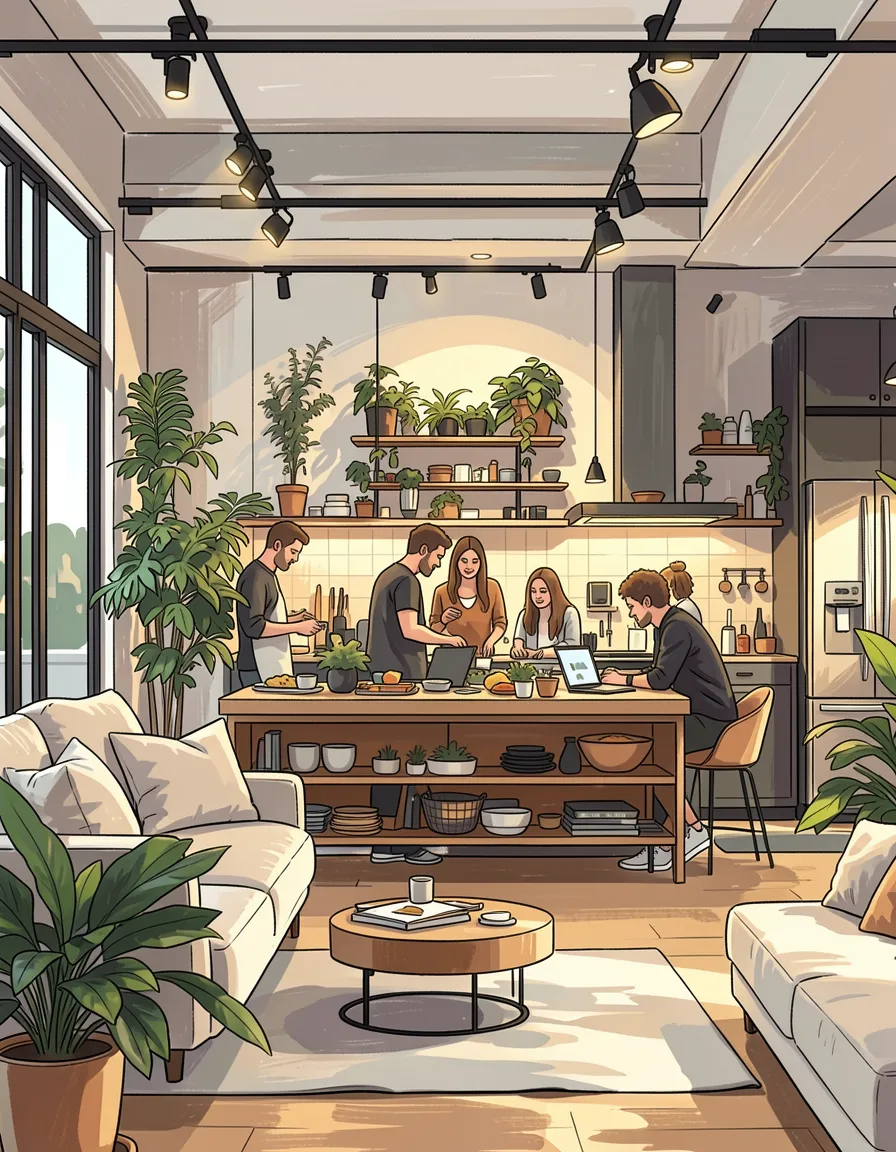
Finding cheap share houses in Osaka is often the most practical first step for foreigners planning to live in Japan on a limited budget. Compared with Tokyo, Osaka offers lower housing costs while still providing reliable transportation and urban convenience.
For students, working-holiday visa holders, and long-stay visitors, share houses reduce upfront costs and simplify the rental process. Instead of navigating complex contracts or high deposits, newcomers can secure a furnished room with predictable monthly expenses.
Because Japan’s rental market can be overwhelming, choosing the right platform from the beginning is essential. This guide explains realistic monthly costs, affordable neighborhoods, and how foreigners arrange housing before arrival.
- Living Cheap in Japan: Why Many Foreigners Choose Osaka
- Real Monthly Cost of Living in Osaka Share Houses
- Cheapest Areas in Osaka for Shared Housing
- What You Can Save Compared to Apartments
- How Foreigners Secure Low-Cost Housing in Osaka
- Platforms That Offer Budget Share Houses
- When a Furnished Apartment Might Be Better
- Start Your Low-Cost Life in Osaka
Living Cheap in Japan: Why Many Foreigners Choose Osaka
For many foreigners planning to live in Japan, the biggest concern is not only finding housing — but keeping overall living expenses manageable. Tokyo offers convenience and global familiarity, but it also comes with higher rent expectations and tighter housing competition. As a result, Osaka has become an attractive alternative for people who want to experience urban life in Japan without committing to Tokyo-level costs.
Osaka combines a large metropolitan environment with comparatively lower housing prices, especially in shared housing. Daily necessities such as groceries, restaurants, and transportation also tend to be more affordable, making it easier to maintain a stable monthly budget. For students, working holiday residents, and long-term travelers, this balance between accessibility and affordability is often the deciding factor.
Because of this, many newcomers choose Osaka not only as a place to live, but as a practical starting point for building life in Japan while minimizing financial risk.
Real Monthly Cost of Living in Osaka Share Houses
Understanding what you will actually pay each month is essential before committing to a move. Share house costs in Osaka are relatively predictable, especially compared to the variable expenses that come with renting a private apartment. Here is a realistic breakdown of what most residents can expect.
¥40,000 – ¥60,000 per month depending on location, room size, and whether the room is private or shared
¥10,000 – ¥20,000 per month, often bundled into a single flat fee by the share house operator
¥50,000 – ¥80,000 covering housing, water, electricity, gas, and Wi-Fi combined
👇See share houses currently available in Osaka
Explore cheap shared house here
One of the key advantages of share house living is cost predictability. Many operators bundle utilities, internet, and common area maintenance into a single monthly fee. This means fewer surprise bills and simpler budgeting — particularly useful during your first months in a new country when you are still learning how Japanese billing systems work. Some houses also include basic consumables like toilet paper, cleaning supplies, and shared kitchen staples, further reducing your variable costs.
Cheapest Areas in Osaka for Shared Housing
Not all neighborhoods in Osaka carry the same price tag. If your priority is keeping rent low, certain areas consistently offer more affordable options. The tradeoff is usually a longer commute to central business or entertainment districts, but Osaka’s compact transit network keeps travel times reasonable.
Common budget-friendly areas include:
About Safety and Choosing the Right Street
Lower rent in Osaka does not automatically mean unsafe living conditions. In Japan, safety differences usually relate to proximity to nightlife areas rather than residential crime risk. Busy entertainment streets can feel uncomfortable late at night, while nearby residential blocks remain calm.
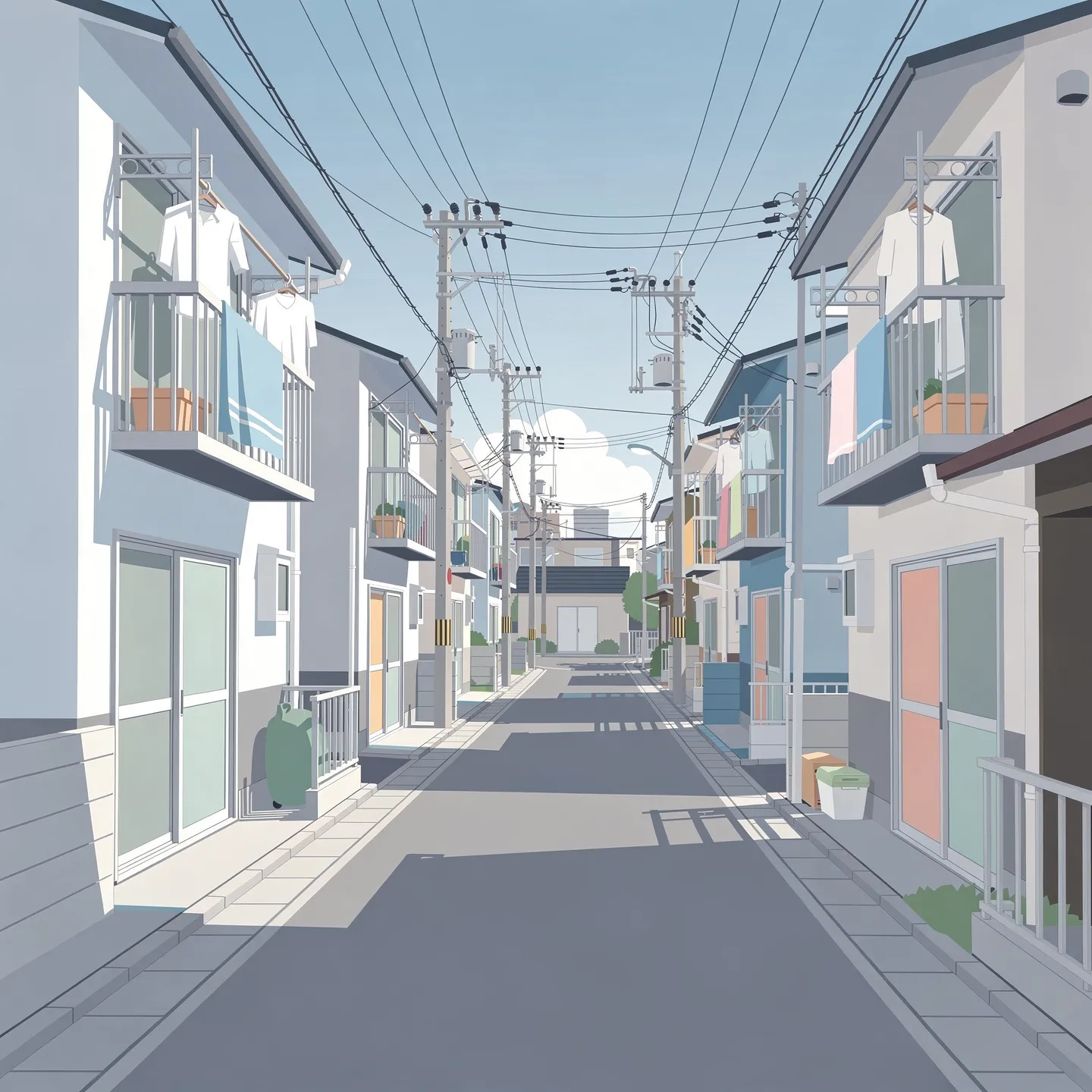
Commute vs. Cost: In most of these areas, you can reach central Osaka (Namba, Umeda, or Tennoji) in 15–30 minutes by train or subway. The monthly savings of ¥10,000–¥20,000 in rent can more than offset the cost of a transit pass, which typically runs ¥8,000–¥12,000 per month.
What You Can Save Compared to Apartments
Renting a standard apartment in Japan comes with significant upfront costs that catch many newcomers off guard. Before you even move in, you may be expected to pay several months’ worth of fees — and that is before buying furniture or appliances.
Typically 1–2 months’ rent. This is refundable in principle, but deductions for cleaning and repairs are common when you move out.
A non-refundable gift to the landlord, usually equivalent to 1 month’s rent. This is a uniquely Japanese custom with no equivalent benefit to the tenant.
Real estate agents charge 0.5–1 month’s rent as a brokerage fee. This is standard and non-negotiable at most agencies.
Most Japanese apartments are unfurnished. Budget ¥50,000–¥150,000 or more for basics: refrigerator, washing machine, futon & curtains
All told, moving into a private apartment in Osaka can easily require ¥200,000–¥400,000 upfront. Share houses, by contrast, typically ask for little more than the first month’s rent and a modest administrative fee. For someone arriving in Japan with limited savings, this difference is substantial.
How Foreigners Secure Low-Cost Housing in Osaka
Renting in Japan involves procedural steps that can feel unfamiliar and, at times, discouraging. Understanding these challenges upfront helps you plan more effectively and avoid unnecessary frustration during your search.
Common Barriers
How Share Houses Simplify Things
Share house operators have built their business model around making move-in easy for people who cannot navigate the standard system. Most offer English-language contracts, handle guarantor requirements internally or waive them entirely, and provide straightforward month-to-month or short-term lease options.
The application process is typically completed online: you submit basic identification, proof of visa status, and sometimes a brief self-introduction. Approval turnaround is usually a few days, and move-in can happen within a week. There is no need to visit a real estate office, negotiate with a landlord, or coordinate with a guarantor company.
This streamlined process is one of the primary reasons share houses remain popular among foreign residents in Japan — not because they are the ideal long-term solution, but because they remove the barriers that make getting started so difficult.
Platforms That Offer Budget Share Houses
Xross House specialize in listing share houses that accept foreign residents. It offers clearer pricing, furnished rooms, and simplified move-in procedures. This reduces the need to contact multiple agencies or navigate complex application requirements in Japanese.
Key Features of Xross House
Start with lower upfront costs
No unnecessary move-in fees
No agent involved — zero brokerage fees
Support in multi-langugages
Easy online contract via smartphone
Free relocation between properties
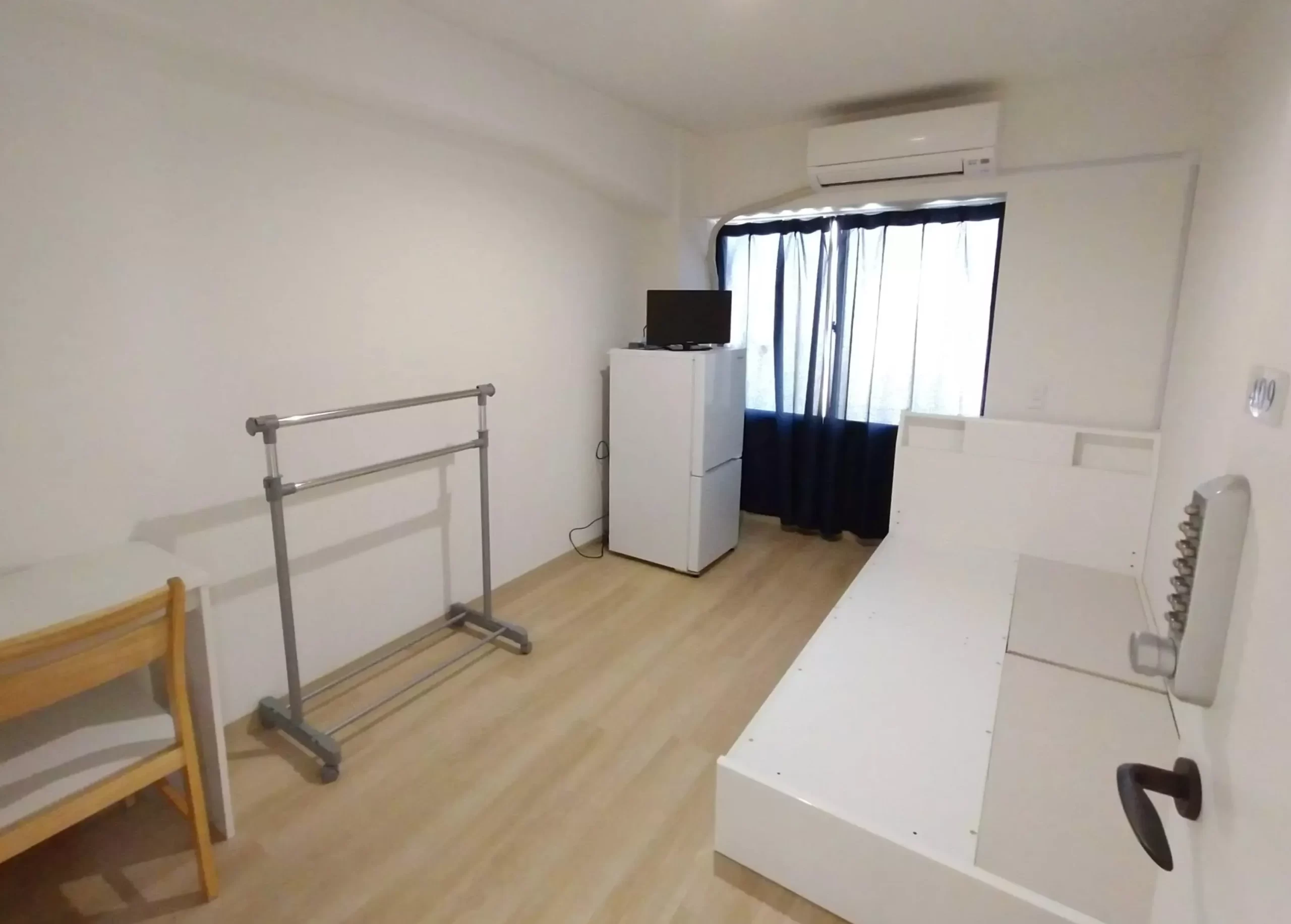
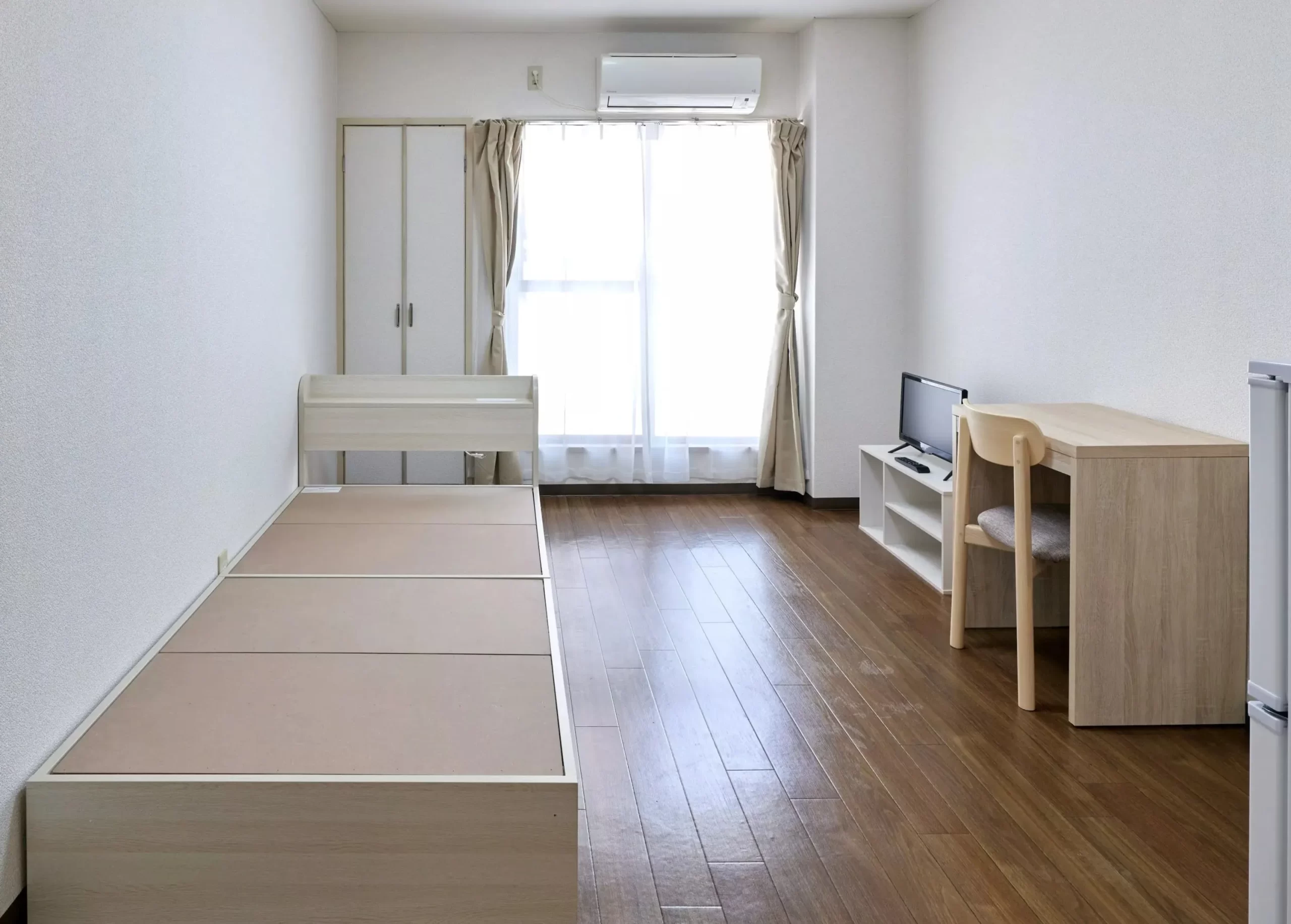
Note: Rent amounts are calculated using an exchange rate of JPY150 per US dollar.
Explore cheap shared house from ¥50k/mo($333~) ↓↓
View room availability here
Note: The landing page is in Japanese, so using Google Translate could be useful! You can complete the inquiry form in English without any problem.
Please refer to the link below for detailed guidance on how to fill out the inquiry form: Learn more

Osaka is a practical, affordable, and genuinely livable city. With a clear understanding of costs and a realistic plan, you can settle in comfortably and build from there — at your own pace.
When a Furnished Apartment Might Be Better
Share houses are practical for many situations, but they are not the right fit for everyone. Depending on your circumstances, a furnished apartment might serve you better — and it is worth understanding when that tradeoff makes sense.
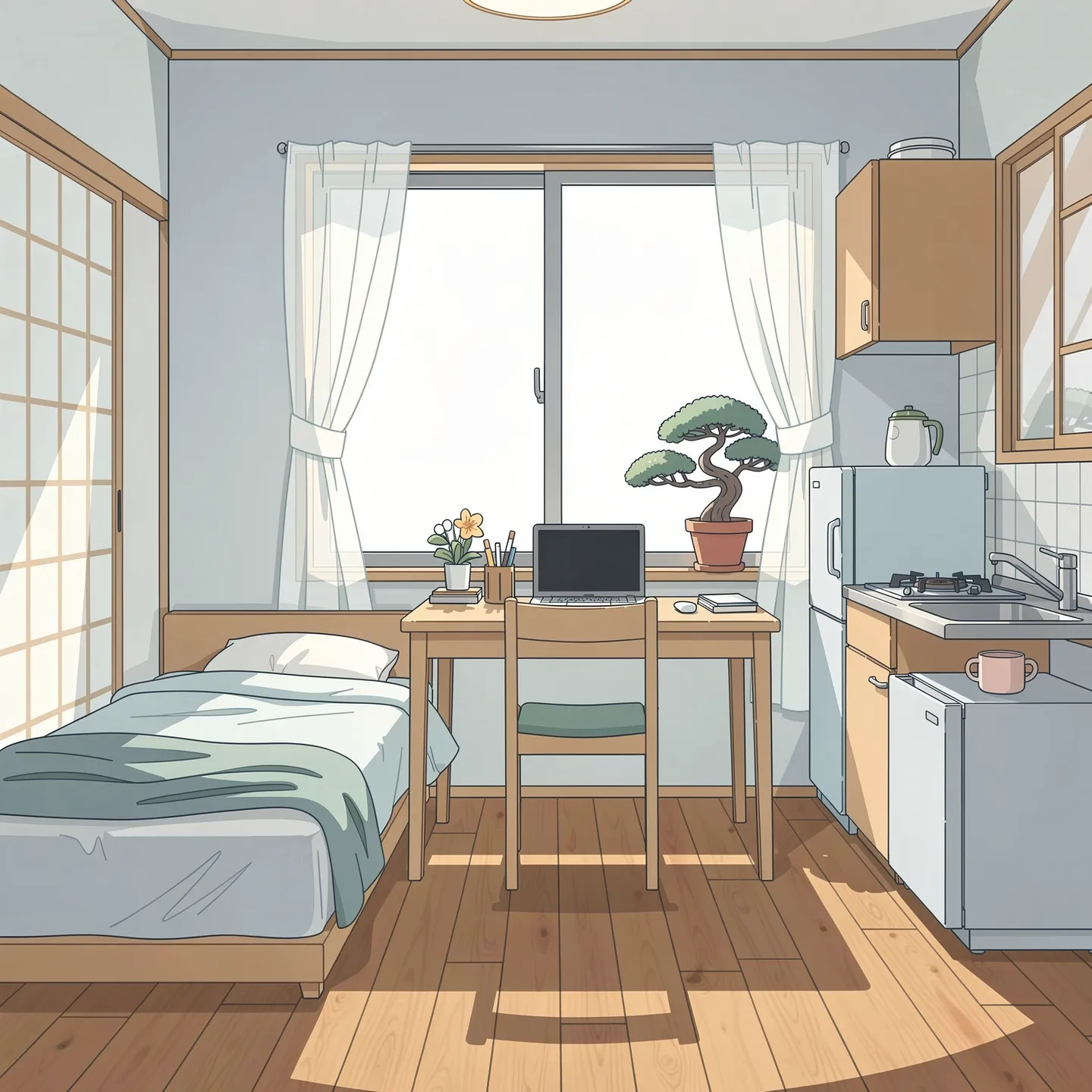
Consider a Furnished Apartment If:
- You value privacy. Share houses mean shared kitchens, bathrooms, and living spaces. If quiet, uninterrupted personal space matters to you, a private apartment removes that friction entirely.
- You are staying longer than six months. The monthly cost difference between a share house and a furnished apartment narrows over longer stays, and the comfort of your own space becomes more important over time.
- You are arriving as a couple. Most share house rooms are designed for single occupancy. Furnished apartments offer flexibility for two people without the restrictions of house rules.
Furnished apartments in Osaka typically range from ¥50,000–¥80,000 per month and come with basic furniture and appliances already installed. Upfront costs are higher than share houses but still significantly lower than unfurnished apartments. See furnished apartments in Osaka for a detailed comparison of options and pricing.
Start Your Low-Cost Life in Osaka
Moving to a new country involves real financial risk, and Japan’s housing system adds layers of complexity that can feel overwhelming from a distance. The practical approach is to start with flexible, low-commitment housing that lets you get settled without overextending your budget.
A share house gives you a stable base with minimal upfront cost. Use the first few months to understand the city, build routines, and figure out which neighborhoods suit your daily life before locking into a longer lease.
Osaka feels different in person than it does in online research. Visiting neighborhoods, riding the trains, and shopping at local supermarkets gives you information that no listing or guide can fully convey. Let experience inform your next housing decision.
By keeping your initial housing costs low and predictable, you preserve savings for the unexpected — a delayed paycheck, a necessary medical visit, or an opportunity you did not anticipate. Financial breathing room makes the transition smoother.
Useful Link:
- A guide for living in OSAKA released by Osaka City Hall
- Information for Foreign Residents and Visitors
