
A practical guide to navigating Japan’s complex rental market and avoiding common pitfalls. From high upfront costs and guarantor screening to language barriers and limited housing options, renting an apartment in Japan involves several pitfalls that can easily lead to confusion or rejection.
This guide breaks down the key issues foreigners need to watch out for and explains practical alternatives that can make finding housing in Japan easier and less stressful.
- The Rental Process: From Apartment Search to Contract
- High Upfront Costs You May Not Expect
- Guarantor Companies and Screening Risks
- Language Barriers in Contracts and Paperwork
- Limited Housing Options for Foreigners
- Unfurnished Apartments and Hidden Living Costs
- Short-Term Stays Are Especially Difficult
- Easier Alternatives Foreigners Should Consider
- Find Fully Furnished Room from ¥38,000/mo ($253~) in Tokyo
The Rental Process: From Apartment Search to Contract
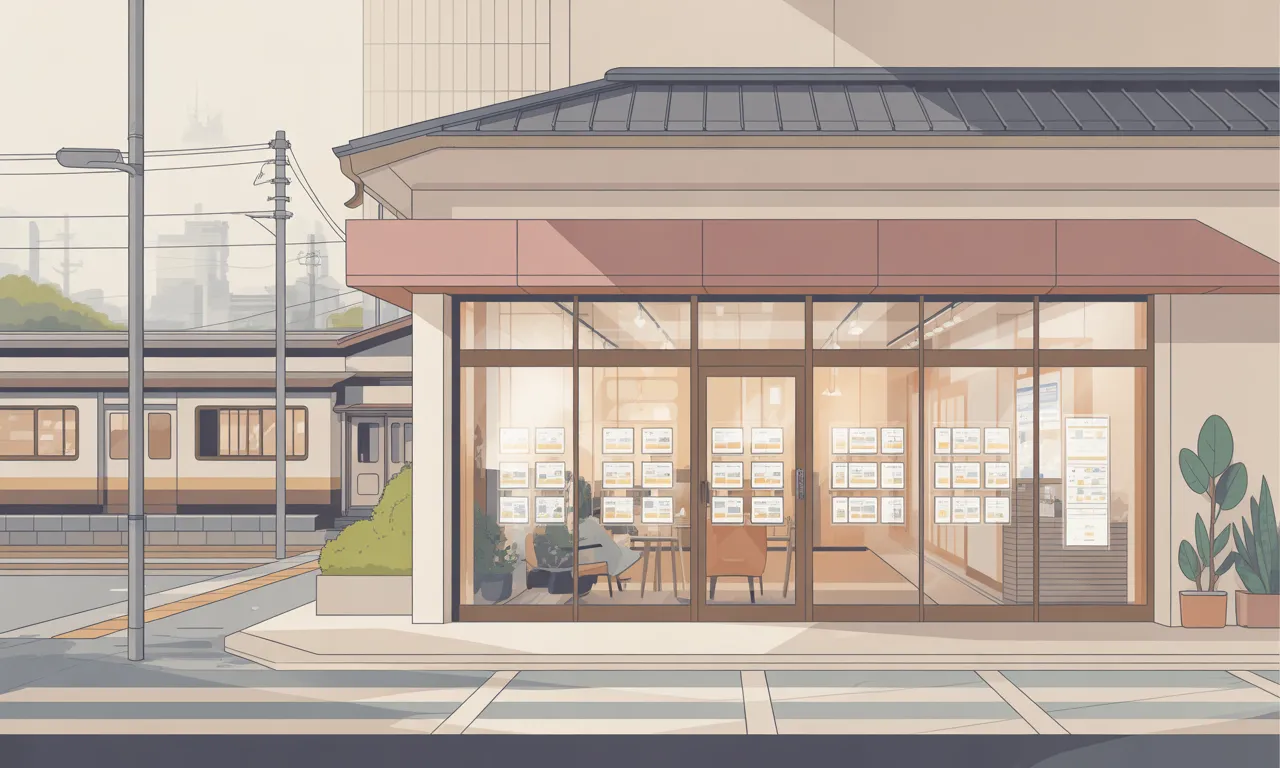
The typical rental flow in Japan includes search, application, screening, contract, and move-in. Real estate agencies are often located near train stations and major rental portals offer limited language support, making the process challenging for Japanese beginners.
High Upfront Costs You May Not Expect
Even if you pass the language hurdle, another surprise awaits: the high upfront costs of renting in Japan. Unlike in many countries, where tenants pay only the first month’s rent and a small deposit, Japanese contracts often require:. Total move-in costs can equal 5-7 months’ rent.
Example: Upfront Costs of Renting a 1R Apartment in Tokyo
To understand how expensive renting can be in Japan, let’s look at a typical example of unfurnished apartment with a monthly rent of ¥100,000
| Items | Costs |
|---|---|
| First Month’s Rent | ¥100,000 |
| Security Deposit (敷金) | ¥100,000 (1-2 month’s rent, partially refundable) |
| Key Money (礼金) | ¥100,000 (1-2 month’s rent, non-refundable) |
| Agency Fee (仲介手数料) | ¥100,000 (1 month’s rent, paid to the agent) |
| Guarantor Company Fee | ¥50,000 (approximately 50% of one month’s rent) |
| Fire Insurance (2-years) | ¥20,000 |
| Total Cost | ¥470,000 – ¥670,000 |
Additional Cost to Consider
Because most apartments are unfurnished, tenants may also need to purchase:
- Refrigerator
- Washing machine
- Lighting fixtures
- Basic furniture (Bed, Futon-set etc.)
These additional expenses can easily add ¥100,000 or more, further increasing the financial burden at move-in.
Avoiding High Upfront Costs, Explore Fully Furnished Room from ¥38,000/mo ($253~) Starting from 1 month. ↓↓
東京・家具家電付き・3.8万円〜【クロスワンルーム】

Note: The landing page is in Japanese, so using Google Translate could be useful! You can complete the inquiry form in English without any problem.
Guarantor Companies and Screening Risks
How Guarantor Companies Work
Guarantor companies work by acting as your financial guarantor during the screening process. The screening process evaluates your income, employment status, and rental history.
Applications may be rejected based on insufficient income, unstable employment, or concerns about payment reliability.

Many foreigners assume that using a guarantor company ensures approval, but this is a common misconception.
Language Barriers in Contracts and Paperwork
Most rental contracts are written entirely in Japanese with no English translation provided
Complex legal terms and formal language make contracts difficult to understand even with basic Japanese skills
Multiple forms, certificates, and documents required throughout the application process
Challenges related to Japanese-only contracts, legal terminology, and paperwork are common. Misunderstandings are common for non-native speakers, which can lead to disputes or unexpected costs later.
“Even with intermediate Japanese ability, understanding rental contract terms can be overwhelming. Legal language is very different from everyday conversation.”
Limited Housing Options for Foreigners
Nearly 40% of Foreigners Have Been Refused Housing in Japan
According to a nationwide survey by Japan’s Ministry of Justice, 39.3% of foreign residents reported that they had been refused housing specifically because they are foreigners.
This statistic highlights that limited housing options are not just anecdotal, but a widespread issue across Japan.
Landlords express concerns about language barriers, short-term stays, and potential misunderstandings of rental rules, which further limit the options available to foreign applicants.
Real Estate Agent
Unfurnished Apartments and Hidden Living Costs
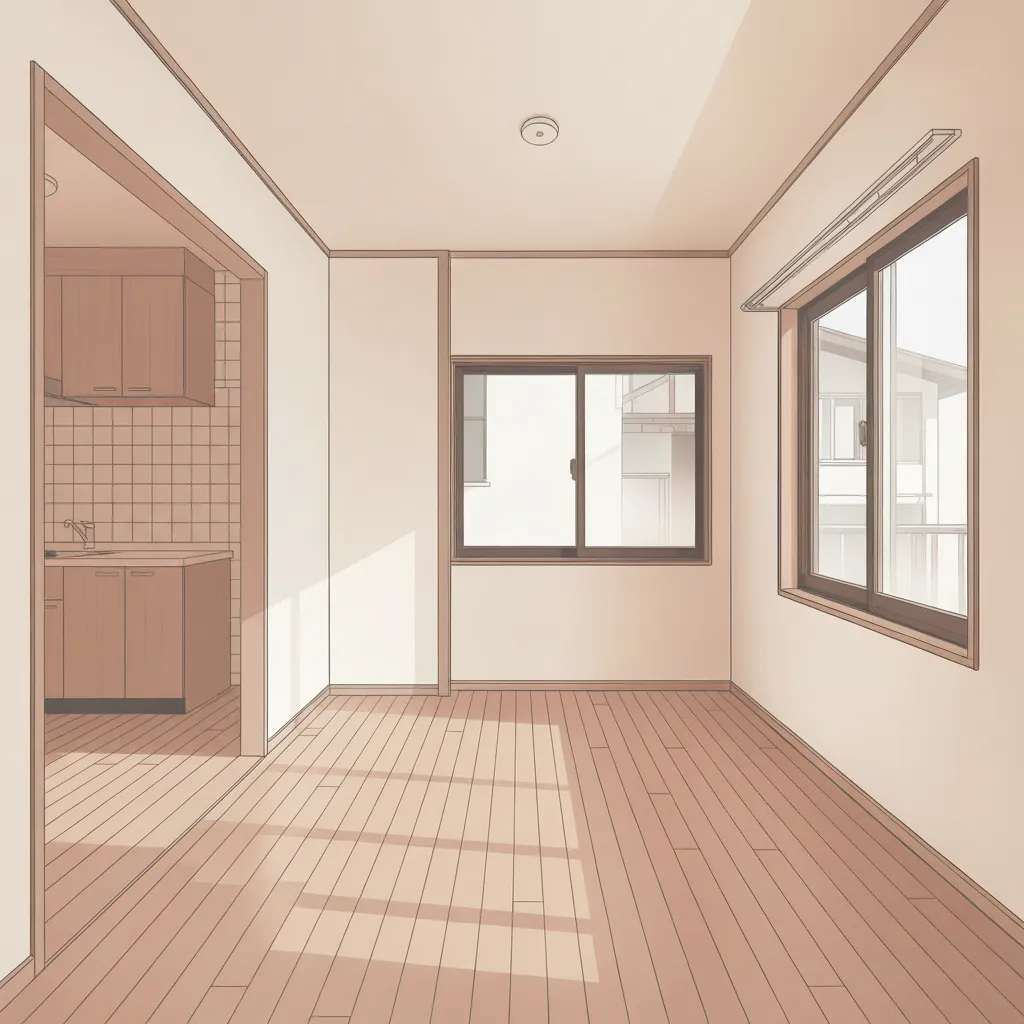
Additional Costs for Appliances
Additional costs for appliances such as refrigerators, washing machines, and lighting can add up quickly:
Refrigerator
Essential for food storage, typically ¥30,000-100,000 depending on size
Washing Machine
Most apartments don’t include laundry facilities, expect ¥25,000-80,000
Lighting
Ceiling lights are often not included, budget ¥3,000-15,000 per room
Curtains
Windows typically have no coverings, essential for privacy
Basic Furniture
Beds, tables, chairs, and storage must all be purchased separately
Futon-set
A basic Japanese futon set (shikibuton, kakefuton, pillow) can range from ¥5,000- 10,000
Short-Term Stays Are Especially Difficult
Leases under one year are difficult to secure. Most landlords prefer tenants who will stay for at least two years.
Renewal fees (often one month’s rent in Tokyo for a two-year lease) are standard practice. Renewal fees are rarely refundable even if tenants move out shortly afterward.
👉 If you look for Short-term Stays in Japan, Weekly/Montlhy Apartments offer excellent value without sacrificing comfort.
Easier Alternatives Foreigners Should Consider
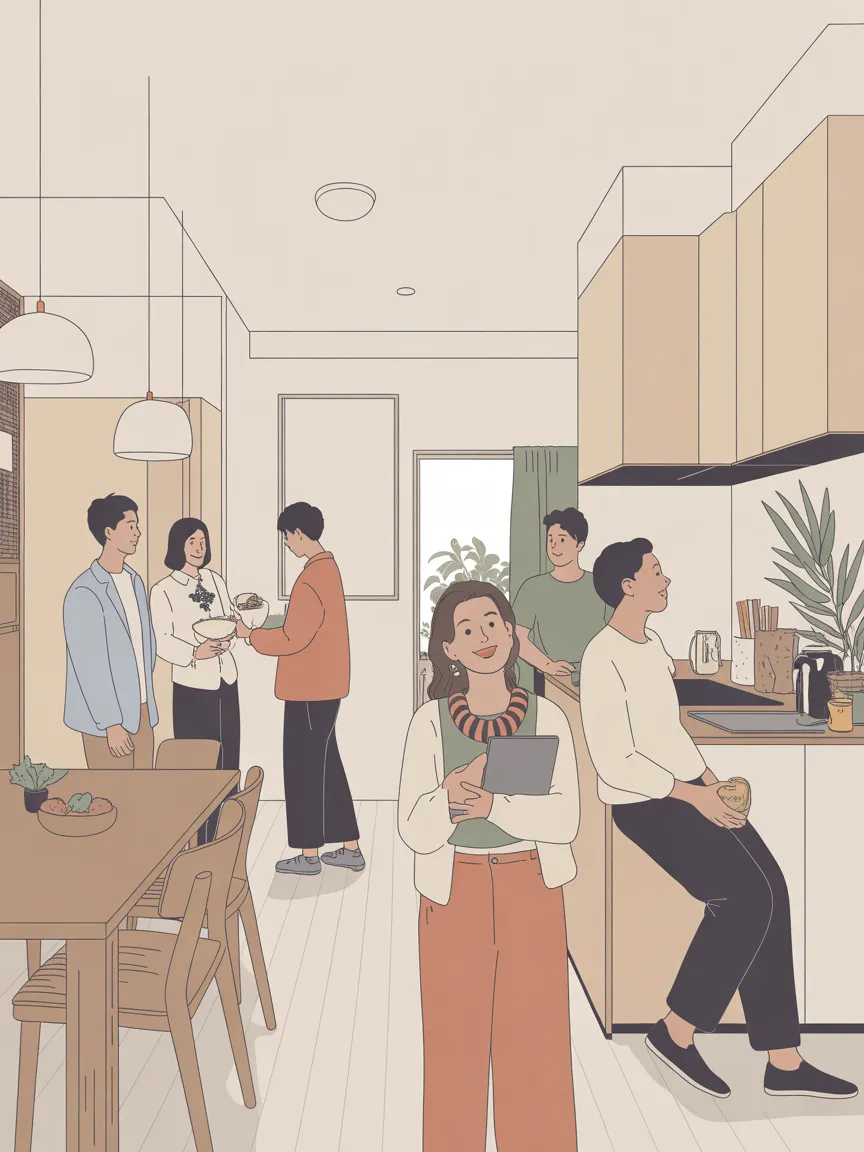
Alternatives such as share houses, weekly apartments, and monthly rentals can make your transition to Japan much smoother. These options reduce screening risks, upfront costs, and language barriers.
Share House
・Lower upfront costs
・Furnished rooms included
・English support often available
・Flexible lease terms
・Built-in community
Furnished Apartment
・Fully furnished units
・No key money or deposits
・Simple booking process
・No guarantor required
・Foreigner-friendly
Find Fully Furnished Room from ¥38,000/mo ($253~) in Tokyo
Xross House offers fully furnished rooms with No Key Money, No Deposite and No Agent fee in central Tokyo starting from just ¥38,000 per month.
Over 3,500 rooms in prime locations like Shinjuku, Shibuya, and Yokohama, trusted by over 100,000 inquiries and fully foreigner-friendly.
Start with lower upfront costs!
No unnecessary move-in fees!
No agent involved – zero brokerage fees!
Support in multi-langugages!
Easy online contract via smartphone!
Free relocation between properties!
Find an affordable furnished room↓↓

Note: The landing page is in Japanese, so using Google Translate could be useful! You can complete the inquiry form in English without any problem.
