

When visiting Japan for one to three weeks, most travelers naturally think of hotels or Airbnb. However, there is a third housing option that is far less known outside Japan: short-term apartments.
In Japan, these furnished short-term apartments are commonly referred to as “weekly apartments.” Despite the name, they are not limited to seven-day stays. Because weekly apartments require a minimum length of stay, their pricing is optimized for longer short-term visits—often resulting in a lower cost per night than hotels or Airbnb for stays of one to three weeks.
This guide explains how foreign travelers can find short-term apartments in Tokyo, what to expect in terms of pricing and contract length, and how these weekly apartments differ from hotels, Airbnb, and monthly rentals. If you are looking for an apartment-style stay without committing to a long-term lease, this article will walk you through the process step by step.
Note: Some links in this article are affiliate links, which help us keep providing free content. Thank you for your support!
What Is a Short-Term Apartment in Tokyo?
A short-term apartment in Tokyo refers to a fully furnished apartment that can be rented for a limited period—typically from one to three weeks—without the long-term commitments required for standard rental contracts.
In Japan, short-term apartments are commonly known as “weekly apartments.” Despite the name, weekly apartments are not restricted to seven-day stays. In reality, most weekly apartments in Tokyo are optimized for short-term visitors staying between one and three weeks, which closely matches the average length of stay of international travelers. For a more detailed explanation of how weekly apartments work in Japan, see our weekly apartment guide.
Another key advantage is availability. Weekly apartments are primarily listed on local Japanese platforms and are mainly used by domestic customers. This means they face less competition from international travelers, making them easier to book, even during busy travel seasons.
Complete with furniture, appliances, cookware, and linens. Everything needed for comfortable living is provided, from refrigerators and washing machines to rice cookers and bedding.
As it’s used by local people, significantly cheaper than hotels for extended stays, with transparent pricing and no hidden fees. Many include utilities and basic amenities in the rental cost.
Often cheaper than hotels or airbnb for extended stays, with transparent pricing and no hidden fees. Many include utilities and basic amenities in the rental cost.
Situated in residential neighborhoods throughout Tokyo, offering authentic local experiences while maintaining convenient access to transportation and amenities.
For travelers who find hotels too restrictive and Airbnb too unpredictable, short-term apartments offer a balanced alternative—combining the flexibility of short stays with the comfort of an apartment-style living environment.
How to Find Short-Term Apartments in Tokyo

Finding a short-term apartment in Tokyo can be challenging for foreign travelers, mainly because this type of housing is rarely advertised on global booking platforms. Unlike hotels or Airbnb, short-term apartments are often listed on Japan-based websites, and many of them are not fully accessible in English.
These platforms usually allow stays starting from one to three weeks, which fits the needs of most travelers. When searching, it is important to check the minimum contract length, as some services labeled “short-term” may actually require a one-month stay.
Another key point is language support. While some websites offer English pages, important details such as contract terms, cancellation policies, and additional fees may still appear in Japanese. Platforms that provide English customer support or a simplified booking process are generally more reliable for short-term visitors.
Finally, availability in Tokyo can change quickly, especially during peak travel seasons. It is recommended to start searching two to four weeks in advance and to remain flexible with location. Short-term apartments are more widely available outside the very center of Tokyo, often within 20–30 minutes of major hubs by train, making them a practical option for travelers who value space and comfort over staying in the most tourist-heavy areas.
Best Platforms for Short-Term (Weekly) Apartments in Tokyo
Weeks and Up — Smater Than Hotels or Airbnb
Several platforms offer weekly or short-term apartments in Tokyo, but not all of them are suitable for foreign travelers staying for just one to three weeks. Below are some of the most well-known services in the market, followed by the option that is generally the most practical for international visitors.
Goodroom is one of the most foreigner-friendly platforms for short-term apartments in Japan. It offers furnished apartments starting from two weeks, provides clear pricing, and features an English interface for many listings. The booking process is relatively simple compared to traditional rental services, making it a reliable choice for travelers who want an apartment-style stay without long-term commitments.
Other well-known weekly apartment platforms in Japan include Weekly Residence, Man3’s, and Tokyo Short Stay. These services primarily cater to the domestic market and often require Japanese-language communication or longer minimum stays. While they are established providers, navigating their systems can be challenging for short-term foreign visitors.
For this reason, this guide focuses on platforms like Goodroom, which are better suited for foreign travelers looking for short-term apartments in Tokyo with minimal paperwork, flexible stay lengths, and clear communication in English.
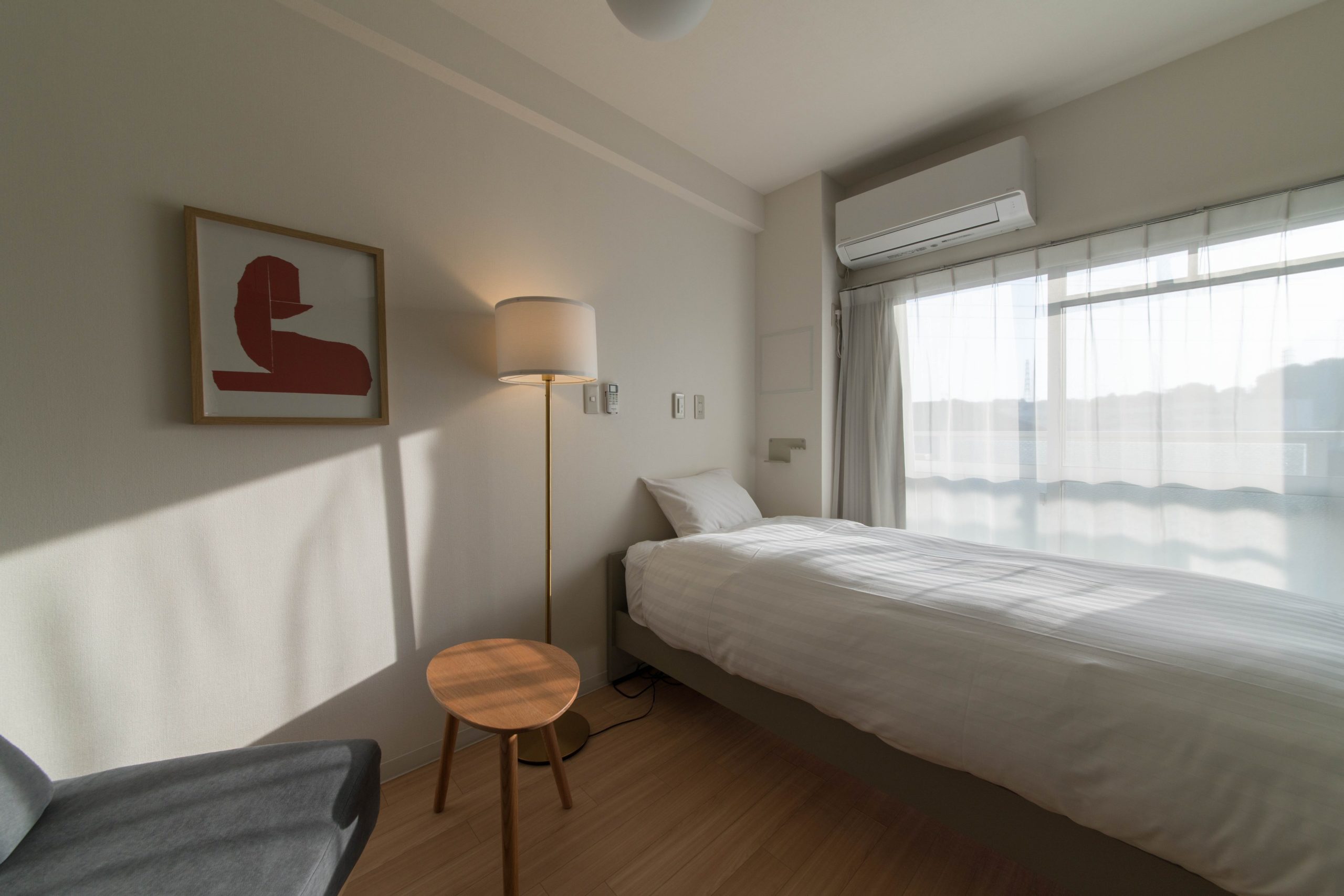
Short stays at Yokohama Ctiy
User Rate
👉 Check availabilityage: 50s
Gender: female
Usage history: ~ Less than 1 month
Purpose of use: temporary housing
Quiet and comfortClose to station, shopping, cafes, public transport, everything is great
The furnishings in the rooms show signs of age, but the beds are sturdy and comfortable, and the bathroom is a comfortable size with plenty of hot water and good water pressure, giving you a sense of security.
The lighting intensity can be adjusted not only in the room but also in the bathroom, which is a convenient feature for those evenings when you want to relax in a bathtub with dim lighting.
They collect the trash every morning, and the housekeeping and Hotel staff are very kind.
Typical Costs for Short-Term Apartments in Tokyo
One key difference lies in how these apartments are priced. Instead of charging per night, weekly apartments calculate rent based on weekly or short-term packages. By excluding very short stays, operators can keep occupancy stable, which allows them to offer more consistent and often lower nightly rates for longer short-term stays. As a general guideline, short-term apartments in Tokyo typically cost $40–$70 per night for a private studio or one-bedroom unit, with furniture, utilities, and basic amenities included. In practice, this means travelers staying over a week may pay less per night than they would at a hotel or a comparable Airbnb listing.
Availability is shaped by a similar structure. Because weekly apartments are marketed mainly through local Japanese platforms and target domestic users, they are less exposed to the surge-driven demand common on global booking sites. This reduces competition during peak seasons and makes short-term apartments more predictable to secure, even when hotels and Airbnb options are limited or priced at a premium.
Short-term apartments in Tokyo follow a different pricing and supply model from hotels and Airbnb. Understanding this structure helps explain why they often make sense for travelers staying one to three weeks, both in terms of cost and availability.
Who Short-Term Apartments Are Best For
Short-term apartments in Tokyo are not for everyone, but they are an excellent fit for specific types of travelers. Understanding whether this option matches your travel style can help you avoid unnecessary compromises during your stay.
Short-term apartments are particularly well suited for foreign travelers staying one to three weeks who want more space and flexibility than a hotel can offer. They work especially well for visitors who plan to spend time working remotely, cooking occasionally, or simply living at a more relaxed pace while exploring Tokyo. Having a private kitchen, washing machine, and separate living space can make a noticeable difference during longer short stays.
This type of accommodation is also ideal for travelers who value predictable pricing and availability. Because short-term apartments are not designed for overnight stays, they avoid the price spikes and sudden sell-outs that often affect hotels and Airbnb listings during peak seasons. For travelers arriving during busy periods or booking close to their travel dates, this can be a significant advantage.
In short, if you are a foreign traveler looking for a comfortable, apartment-style stay in Tokyo for one to three weeks, and you want an option that balances cost, space, and ease of booking, short-term apartments provide a practical alternative to hotels and Airbnb.

Frequently Asked Questions (FAQs)
Still unsure about how weekly apartments work in Japan?
The FAQs below answer the most common questions foreign travelers have before booking.
No. In Japan, “weekly apartment” is a common term for furnished short-term apartments. Despite the name, many weekly apartments allow stays longer than 7 days, and a 1–3 week stay is often the most typical.
It depends on the platform and property. Many listings start from about two weeks, while some may allow shorter or require longer. Always check the minimum contract length before booking.
For stays longer than a week, weekly apartments can be more cost-efficient per night because pricing is optimized for longer short stays. Hotels often get expensive for multi-week trips, and Airbnb fees can add up, depending on the listing. If you want a deeper explanation how it is used in Japan, you can read our complete weekly apartment guide.
Most short-term apartments are fully furnished and typically include basics like a bed, kitchen setup, and often utilities (varies by provider). Always confirm what’s included—especially utilities, Wi-Fi, and cleaning fees.
Many weekly apartments are listed on local Japanese platforms and mainly used by domestic customers. That usually means less competition from international travelers compared to hotels and Airbnb, so availability can be more stable.
In many cases, no. Weekly/short-term apartments often have a simpler process than traditional long-term rentals. Requirements vary, so check the booking terms for the property you choose.
